Travelling Through the Middle East in 2026: A Practical Safety Guide
Quick answer
The Middle East remains a major aviation hub and is routine to transit for most travelers, but conditions can change quickly. Before and during your trip, check your own government's official travel advisory, follow guidance from local authorities and your airline, and allow extra buffer time for connections.
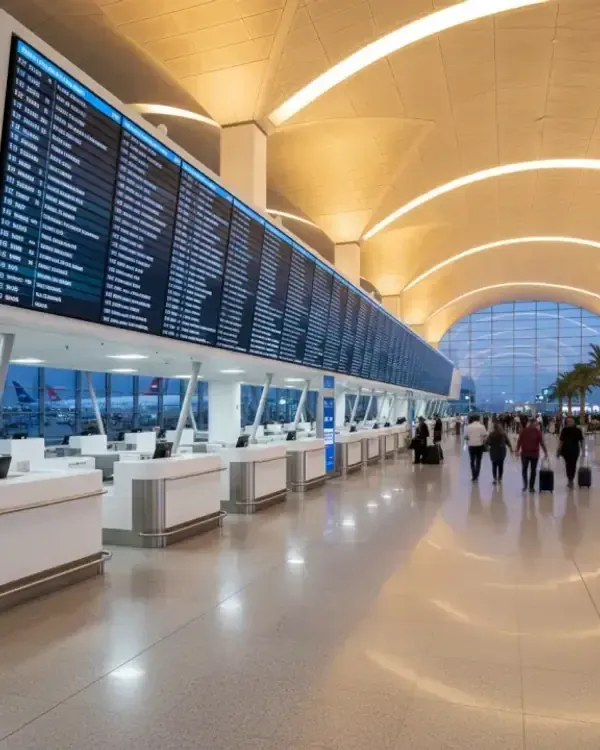
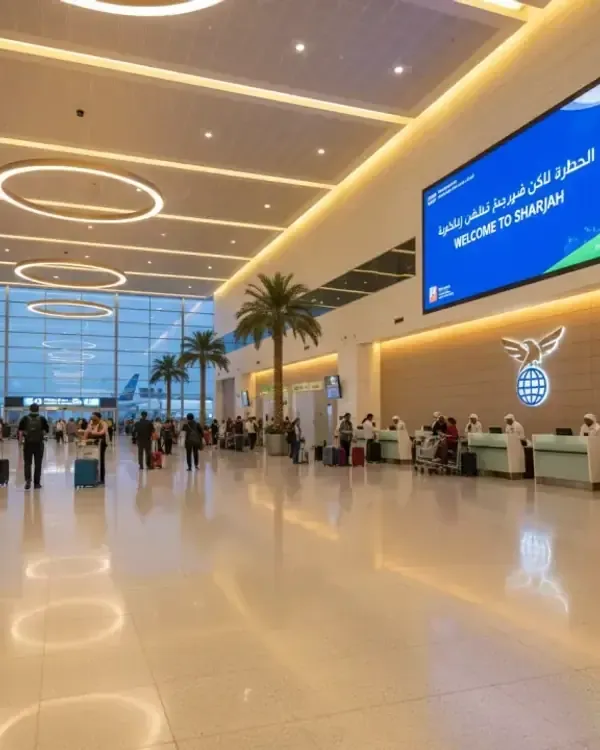
The Middle East is home to some of the busiest and most modern airports in the world. Dubai, Doha, Abu Dhabi, Riyadh, and Amman serve as critical connection points for millions of travelers moving between continents. For most travelers most of the time, transiting through these hubs is safe, efficient, and unremarkable.
That said, the region can experience rapid changes in security conditions. Airspace closures, flight disruptions, and evolving travel advisories can happen with limited advance notice. Being prepared is not about being afraid - it is about being practical.
This guide focuses entirely on practical, traveler-focused information. We do not offer political commentary or opinions on regional events. Our goal is to help you travel safely by pointing you toward the right resources and encouraging good preparation habits.
*This article is for general informational purposes only and does not constitute professional travel, legal, or safety advice. Conditions change rapidly. Always consult official government sources before making travel decisions.
Before You Book: Check Official Travel Advisories
Every major government publishes travel advisories that are updated regularly. These should be your first stop before booking any flight that routes through the Middle East.
- United States: The U.S. Department of State publishes country-specific advisories at travel.state.gov. Advisory levels range from Level 1 (Exercise Normal Precautions) to Level 4 (Do Not Travel). U.S. citizens can also enroll in the Smart Traveler Enrollment Program (STEP) to receive real-time alerts from embassies.
- Canada: Global Affairs Canada provides destination-specific guidance at travel.gc.ca.
- United Kingdom: The Foreign, Commonwealth and Development Office (FCDO) publishes advice at gov.uk/foreign-travel-advice.
- Australia: Smartraveller at smartraveller.gov.au provides up-to-date advisories.
Advisory levels are not uniform across the region. Conditions in one country may be entirely different from a neighboring country. Always check the specific advisory for each country on your itinerary, including transit stops.
Understanding Airspace and Airport Status
Airspace closures can affect flights even if your destination is not directly impacted. When a country closes its airspace, airlines may need to reroute, leading to longer flight times, fuel stops, or cancellations. Some airports may temporarily suspend operations while neighboring ones continue to function.
If you are transiting through the region, monitor your airline's communications closely. Airlines typically send email or app notifications about schedule changes, but these can lag behind actual conditions. Checking your airline's website or calling their support line 24 hours before departure gives you the most current information.
General Do's and Don'ts for Travelers
Do:
- Register with your embassy or consulate. Programs like the U.S. STEP, Canada's Registration of Canadians Abroad, and the UK's notification service allow your government to contact you during emergencies and provide assistance if needed.
- Keep copies of important documents. Have digital and physical copies of your passport, visa, travel insurance policy, and emergency contacts accessible at all times.
- Carry a working phone with a local or international SIM. An eSIM is often the easiest option. Being reachable is critical for receiving emergency alerts and airline notifications.
- Review your travel insurance policy. Understand what is and is not covered during periods of elevated advisories. Emergency evacuation coverage, trip cancellation, and medical coverage terms vary significantly between providers. Purchase coverage before conditions change, as most policies exclude events that were foreseeable at the time of purchase.
- Follow local laws and customs. Each country in the region has its own legal framework. Familiarize yourself with local regulations regarding photography, social media posting, dress codes, and public conduct. When in doubt, consult your hotel concierge or the local embassy.
- Have a communication plan. Let someone at home know your itinerary, including transit points. Agree on a check-in schedule so they know you are safe.
Don't:
- Do not travel to airports without a confirmed ticket during disruptions. Some airports may restrict access to confirmed passengers only during periods of heightened activity. Check with your airline before heading to the airport.
- Do not share unverified information on social media. In several jurisdictions in the region, sharing unverified reports, rumors, or footage of security incidents is unlawful and has resulted in legal consequences for travelers.
- Do not ignore official guidance. If your government advises against travel to a specific area, take that seriously. These advisories are based on intelligence assessments that are not publicly available.
- Do not assume conditions are static. Situations can escalate or de-escalate within hours. What was safe yesterday may not be today. Continuous monitoring is important.
Alternative Routing
If your usual routing through the region is disrupted, alternative connection points exist. Airports in Oman, Egypt, and Jordan have historically maintained more stable operations during regional disruptions. Istanbul serves as a major alternative hub connecting Europe, Asia, and Africa. Your airline's rebooking team can often suggest alternative routings if your original connection is impacted.
At the Airport: Staying Calm and Prepared
If you find yourself at an airport during a disruption, the most important thing is to stay calm and follow instructions from airport authorities and airline staff. Airport lounges can provide a quieter, more comfortable space to wait out delays - browse lounges at your airport to see what is available.
Keep your phone charged. Airport charging stations fill up fast during disruptions, so a portable battery pack is worth carrying. Have snacks and water with you in case food service is limited.
Emergency Contacts
Save these numbers before you travel. Having them accessible offline - not just bookmarked in a browser - ensures you can reach help even without internet.
- U.S. Citizens: +1-202-501-4444 (from abroad) or +1-888-407-4747 (from the U.S. and Canada)
- Your embassy or consulate: Look up the local contact number for your country's embassy in each transit/destination country before departure.
- Your airline: Save the customer service number for your airline, not just the app. Phone lines often work when apps are overloaded.
- Travel insurance provider: Keep your policy number and the 24/7 assistance hotline accessible.
The Bottom Line
The Middle East's airports and airlines are among the most advanced and well-managed in the world. Millions of travelers transit through the region safely every month. Preparation and awareness are your best tools. Check advisories, register with your embassy, review your insurance, respect local laws, and stay flexible with your plans.
When conditions are favorable, the region offers some of the finest airport experiences anywhere. When conditions are uncertain, the same preparation habits that make you a good traveler anywhere in the world apply here too.
Read: Dubai Airport Lounge Guide | Compare credit cards with travel insurance benefits
Before you fly
Cover for delays, medical costs, and cancellations.
World Nomads — Flexible travel insurance designed by travelers, covering 150+ adventure activities. Buy, extend, or claim online even after you have left home.
We receive a fee when you get a quote from World Nomads using this link. We do not represent World Nomads. This is not a recommendation to buy travel insurance.
This page contains affiliate links. If you purchase through these links, AirportLounge.com may earn a commission at no extra cost to you. We only recommend products and services relevant to travelers. Full disclosure
Frequently asked questions
- How do I know if it is safe to travel to a Middle East destination?
- Check your own government's official travel advisory for that specific country, since advice is country-specific and updated as conditions change. Read the latest entry, and follow any guidance from local authorities and your airline. Advisories are the most reliable starting point for current, factual information.
- What should I do if my flight routes through a regional hub?
- Monitor your airline's notifications, since routings and schedules can change on short notice. Allow extra time for connections, keep your contact details current with the airline, and make sure your travel documents and any required visas or transit permits are in order before you fly.
- Who should I contact if conditions change while I am traveling?
- Follow instructions from local authorities and airport staff, and stay in touch with your airline for rebooking. Your country's embassy or consulate can provide consular assistance, and many governments offer a traveler registration service so they can reach you with updates during your trip.
Sources
Factual claims in this article are sourced from the operator, airline, or airport authority pages below. AirportLounge.com does not republish copyrighted content from these sources; we link to them so readers can verify.
- [1]
- [2]