Thailand on Any Budget: From $30 Backpacker Days to Beachfront Villas
Quick answer
Thailand offers visa-free entry of up to 60 days for citizens of many countries. Backpackers can travel on roughly 30 to 50 dollars per day and mid-range travelers on 80 to 120 dollars, with street food meals around 1.50 to 3 dollars. It works at almost every budget level.
Thailand offers visa-free entry for up to 60 days for citizens of over 90 countries, street food meals for 50 to 100 baht ($1.50 to $3), and a backpacker daily budget as low as $30 to $50 including accommodation, food, and transport. Mid-range travelers spending $80 to $120 per day get boutique hotels, restaurant meals, and island day trips. The country works at every price point, which is exactly why it remains one of the most visited destinations in Southeast Asia.
Many first-time visitors arrive expecting the backpacker cliches: full moon parties, pad thai on Khao San Road, elephant sanctuaries. What they find is a country so layered that plenty end up going back again and again, each trip completely different from the last. Bangkok alone could fill two weeks if you let it. The north around Chiang Mai feels like a different country entirely. And the southern islands range from party-heavy Koh Phangan to nearly deserted beaches on Koh Lipe.
The key to Thailand is matching your itinerary to your budget and your interests, because the country can be whatever you want it to be. Here is a practical breakdown of how it all works in 2026.
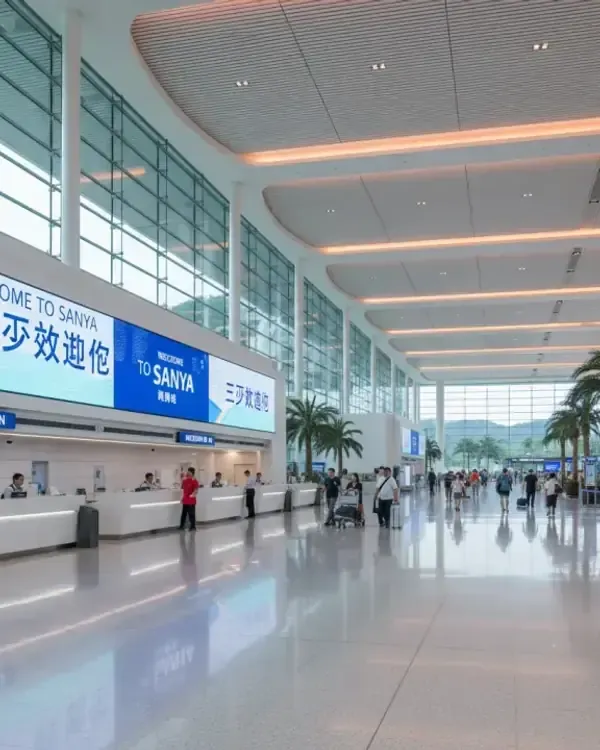
*Images are illustrative and may differ from actual locations. Prices are approximate, based on publicly available data as of early 2026, and fluctuate with the Thai baht exchange rate. Always verify visa requirements with official Thai immigration sources before booking.
Getting In: Visa and Entry Requirements
Thailand grants visa-free entry for 60 days to citizens of the US, Canada, UK, EU, Australia, Japan, South Korea, and dozens of other countries. You can extend this by 30 days at any Thai Immigration office for 1,900 baht (about $53), giving you up to 90 days total without applying for a formal visa.
- Passport must be valid for at least 6 months from your arrival date
- You need a confirmed onward ticket (flight, bus, or train out of Thailand)
- Proof of funds may be requested: 10,000 baht per person (roughly $280) or 20,000 baht per family
- Complete the Thailand Digital Arrival Card (TDAC) online before you arrive
- For stays over 90 days, look into the Destination Thailand Visa (DTV), which costs 10,000 baht and is valid for 5 years. It is designed for digital nomads and remote workers
When to Go
Thailand has three seasons, and timing your visit around them makes a real difference in both weather and cost:
- Cool and dry season (November to February): The best weather overall. Temperatures are comfortable, humidity is lower, and rain is rare. This is peak tourist season, so prices are highest and popular spots are crowded. Book accommodation and domestic flights well in advance.
- Hot season (March to May): Temperatures regularly hit 35 to 40 degrees Celsius. Bangkok becomes genuinely oppressive. The upside is fewer tourists and lower prices. The islands are still pleasant with ocean breezes.
- Rainy season (June to October): Short, heavy afternoon downpours followed by sunshine. The north is lush and green. Prices drop significantly. If you can handle an hour of rain per day, this is the best value window. Avoid the Gulf coast islands (Koh Samui, Koh Phangan) in October and November when storms are heaviest.
Where to Go
Bangkok (3 to 4 days)
Bangkok is chaotic, noisy, and endlessly interesting. The Grand Palace and Wat Pho are obligatory first-timer stops, but the real magic is in the neighborhoods. Chinatown's Yaowarat Road has some of the best street food in the world. The Chatuchak Weekend Market has over 15,000 stalls. Sukhumvit's rooftop bars offer skyline views for the price of a cocktail. The BTS Skytrain and MRT make getting around easy and cheap at 20 to 60 baht per ride.
Chiang Mai (3 to 4 days)
Chiang Mai is Bangkok's calm, cultural counterpart. The Old City is walkable, surrounded by ancient walls and a moat, and packed with over 300 temples. The Sunday Walking Street market is one of the best night markets in Thailand. Ethical elephant sanctuaries in the surrounding hills are popular day trips. Cooking classes run about 800 to 1,200 baht ($22 to $33) and are genuinely fun. The overnight train from Bangkok to Chiang Mai costs about 800 to 1,200 baht for a sleeper berth and saves you a night of accommodation.
Southern Islands
The south splits into the Andaman coast (west side) and the Gulf coast (east side), each with a different character:
- Phuket: The largest island, with a developed tourist infrastructure. Patong Beach is loud and touristy; Kata and Karon are more relaxed. Good base for day trips to Phi Phi Islands and Phang Nga Bay. Accommodation ranges from $8 hostels to $300 resorts.
- Krabi and Railay Beach: Dramatic limestone cliffs, excellent rock climbing, and some of the most photogenic beaches in the country. More laid-back than Phuket.
- Koh Samui: More upscale than most Thai islands. Good restaurants, spa resorts, and a functioning airport with direct flights from Bangkok. Budget options exist but this island leans toward mid-range and luxury.
- Koh Phangan: Known for the Full Moon Party but has a quieter north coast with yoga retreats, small bungalow operations, and excellent snorkeling.
- Koh Lipe: Small, remote, and beautiful. The closest thing to the Maldives that Thailand offers. Getting there takes effort (flight to Hat Yai or Trang, then speedboat) but the beaches are worth it.
What Things Actually Cost
Food
Thai street food is both cheap and exceptional. A plate of pad thai, a bowl of tom yum soup, or a bag of mango sticky rice from a street vendor costs 50 to 100 baht ($1.50 to $3). Local restaurants (not tourist-facing) serve full meals for 100 to 200 baht ($3 to $6). Western food at tourist restaurants costs 200 to 500 baht ($6 to $14). Convenience stores like 7-Eleven (they are everywhere) sell drinks, snacks, sandwiches, and even decent microwave meals for 30 to 80 baht.
Accommodation
- Hostel dorm: 200 to 500 baht ($6 to $14) per night on the mainland, 300 to 700 baht ($8 to $20) on the islands
- Budget private room: 500 to 1,000 baht ($14 to $28)
- Mid-range hotel: 1,500 to 3,500 baht ($42 to $100)
- Boutique or beachfront resort: 4,000 to 10,000+ baht ($112 to $280+)
Getting Around
Domestic flights on budget carriers like AirAsia, Nok Air, and Thai Lion Air cost 1,000 to 2,500 baht ($28 to $70) if booked in advance. Bangkok to Chiang Mai or Phuket takes about an hour. The overnight sleeper train from Bangkok to Chiang Mai is a classic experience and costs 800 to 1,200 baht. Minivans and buses connect most major destinations for 200 to 600 baht. Within cities, the Grab app (Southeast Asia's Uber) is reliable and affordable.
Getting to and from the airport. Car hire compared across suppliers with desks at the airport itself, so collection is in or beside the terminal rather than a shuttle ride away. Worth pricing when the onward leg is a drive rather than another flight.
We earn a commission if you book through a paid link, at no extra cost to you. Advertiser disclosure
The Full Budget Breakdown
Here is what two weeks in Thailand costs at each level (excluding international flights):
- Backpacker ($30 to $50/day = $420 to $700 total): Hostel dorms, street food for every meal, public buses and trains, free temples and beaches. Thailand is one of the few countries where this budget is genuinely comfortable, not just survivable.
- Mid-range ($80 to $120/day = $1,120 to $1,680 total): Private rooms or budget hotels, mix of street food and restaurants, domestic flights between regions, organized tours and activities like diving or cooking classes.
- Comfortable ($150 to $250/day = $2,100 to $3,500 total): Boutique hotels or beachfront bungalows, restaurant meals, private transportation, spa treatments, island-hopping tours.
International flights from North America to Bangkok typically run $500 to $1,000 round-trip depending on season and routing. The cheapest fares usually involve connections through Tokyo, Seoul, or a Middle Eastern hub. Using airline miles can bring the cost down dramatically, especially through programs like Aeroplan or ANA Mileage Club which offer competitive rates to Southeast Asia. See our guide on airline points.
Practical Tips That Save Money and Headaches
- Negotiate tuk-tuk fares before you get in. Always agree on a price first. If a tuk-tuk driver quotes an absurdly low fare and offers to take you to a "special shop," decline. That is a commission scam.
- Use Grab for taxis. Metered taxis in Bangkok are cheap, but drivers sometimes refuse to use the meter. Grab eliminates the negotiation entirely and shows you the fare upfront.
- ATMs charge a 220 baht fee per withdrawal. Withdraw larger amounts less frequently to minimize fees. Some banks (Charles Schwab, Wise) reimburse foreign ATM fees.
- Buy a local SIM card at the airport. AIS, DTAC, and TrueMove all sell tourist SIM cards at Suvarnabhumi arrivals for 300 to 600 baht with generous data allowances. Or use an eSIM if your phone supports it.
- Temple dress code matters. Shoulders and knees must be covered at most temples. Carry a light scarf or long pants in your daypack to avoid being turned away.
- Drink bottled or filtered water only. Tap water is not safe to drink. Bottled water costs 7 to 15 baht at any convenience store.
- Travel insurance is not optional. Medical care in Thailand is good (Bangkok hospitals are world-class) but expensive for foreigners without insurance. Make sure your credit card travel benefits or a standalone policy covers medical emergencies.
Airport Lounges in Thailand
Thailand has two main international airports, both with solid lounge access for credit card holders:
Suvarnabhumi Airport (BKK) in Bangkok is the primary international gateway. It has multiple lounges across concourses A through G, many accessible through Priority Pass. The Miracle Lounges are the most common Priority Pass option, with locations in several concourses. They offer hot food, showers, and comfortable seating. Thai Airways' Royal Silk Lounge and Royal Orchid Lounge are available for business class passengers and Star Alliance Gold members. See all BKK lounges.
Don Mueang Airport (DMK) handles budget carriers like AirAsia, Nok Air, and Thai Lion Air. It also has Miracle Lounges accessible through Priority Pass in both Terminal 1 (international) and Terminal 2 (domestic). If you are flying a budget airline domestically, having lounge access at DMK is especially valuable because the terminal facilities are more basic than Suvarnabhumi.
Phuket International Airport (HKT) has a few lounge options as well, including a Coral Lounge accessible through Priority Pass. Worth checking if you are flying internationally out of Phuket. See Phuket airport lounges.
A credit card with lounge access is particularly useful in Thailand because layovers in Bangkok are common when connecting to the islands. A 3 to 4 hour connection is much more comfortable in a lounge with free food, Wi-Fi, and sometimes showers after a long international flight.
Sample Two-Week Itinerary
- Days 1 to 3: Bangkok (temples, street food, Chatuchak market, rooftop bars)
- Day 4: Overnight train to Chiang Mai
- Days 5 to 7: Chiang Mai (Old City temples, cooking class, elephant sanctuary, Sunday market)
- Day 8: Fly Chiang Mai to Krabi or Phuket
- Days 9 to 11: Krabi area (Railay Beach, Four Islands tour, kayaking)
- Days 12 to 13: Ferry to Koh Lanta or Koh Phi Phi
- Day 14: Fly from Krabi or Phuket back to Bangkok, connect home
Information is reviewed periodically. Prices, visa policies, and travel conditions change frequently. The Thai baht exchange rate fluctuates, so all USD conversions are approximate. Always verify current visa requirements with the Royal Thai Embassy or consulate in your country and check your government's travel advisories before booking.
Planning this trip?
A few things travellers usually sort out next. These are paid links.
World Nomads
Cover for delays, medical costs, and cancellations.
Flexible travel insurance designed by travelers, covering 150+ adventure activities. Buy, extend, or claim online even after you have left home.
We receive a fee when you get a quote from World Nomads using this link. We do not represent World Nomads. This is not a recommendation to buy travel insurance.
Paid link
Get a quoteon World Nomads' website
We earn a commission if you book through a paid link, at no extra cost to you. Advertiser disclosure
Frequently asked questions
- Do I need a visa to visit Thailand?
- Citizens of many countries can enter Thailand visa-free for tourism, currently up to 60 days for eligible nationalities, with possible extensions at an immigration office. Rules change periodically, so confirm your eligibility and the latest duration with official Thai sources before you travel.
- How much does Thailand cost per day?
- Backpackers can manage on roughly 30 to 50 dollars per day including a dorm bed, street food, and local transport. Mid-range travelers spending 80 to 120 dollars per day get boutique hotels, restaurant meals, and island day trips.
- When is the best time to visit Thailand?
- The cool, dry season from November to February is the most comfortable and popular time, though prices peak. March to May is hot, and the June to October rainy season brings lower prices and greener landscapes, with rain often arriving in short afternoon bursts.
Sources
Factual claims in this article are sourced from the operator, airline, or airport authority pages below. AirportLounge.com does not republish copyrighted content from these sources; we link to them so readers can verify.
- [1]
- [2]
About the author
Liam Torres
Travel Desk
Liam Torres covers UK and European airport lounges, regional travel-rule changes, and Middle East / Saudi Arabia travel coverage for AirportLounge.com. Articles under this byline include the London Gatwick (LGW) lounge guide, ETIAS launch coverage, and the Riyadh Air launch review.
View all articles by Liam Torres →
Author names on AirportLounge.com are pen names used by Inspecto Inc.’s editorial team and do not represent real individuals. Articles are fact-checked against official sources. See our Editorial Policy.