Vietnam in 2026: 90-Day E-Visas, $1 Meals, and the Best Value Trip in Asia
Quick answer
Vietnam now offers a 90-day e-visa to citizens of every country, applied for online through the official government portal. Budget travelers manage on roughly 20 to 35 dollars per day and mid-range on 45 to 95 dollars, with street food meals starting around a dollar, making it one of Asia's best-value destinations.
Vietnam now offers a 90-day e-visa to citizens of every country in the world for $25, making it one of the easiest and cheapest countries in Asia to visit in 2026. Budget travelers can get by on $20 to $35 per day, mid-range travelers on $45 to $95 per day, and street food meals start under $1. The country runs the length of Southeast Asia's coastline, offering everything from neon-lit cities to terraced rice fields to one of the most photographed bays on the planet.
Vietnam surprises many travelers more than any other country in Asia. Visitors expecting somewhere similar to Thailand find a place with its own completely distinct personality. Hanoi and Ho Chi Minh City feel like entirely different countries despite being in the same one. The food culture is arguably the most interesting in Southeast Asia, not just pho and banh mi but dozens of regional specialties you will not find in Vietnamese restaurants back home. And the value is extraordinary, even by Southeast Asian standards.
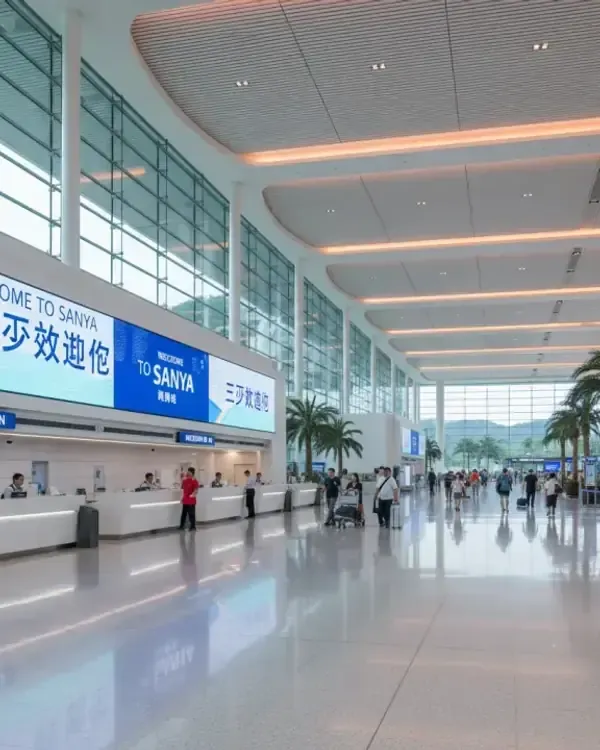
*Images are illustrative and may differ from actual locations. Prices are approximate, based on publicly available data as of early 2026, and fluctuate with the Vietnamese dong exchange rate. Always verify visa requirements with the official Vietnam e-visa portal before booking.
Getting In: The 90-Day E-Visa
Vietnam's e-visa system was expanded to cover every country in the world in 2023, then extended to allow stays of up to 90 days. This is one of the most accessible visa systems in Southeast Asia. You apply online, pay $25, and get your approval within 3 working days.
- Cost: $25 USD for a single-entry 90-day visa, paid through the government's official e-visa portal
- Processing time: 3 working days for standard processing. Express options are available at a higher cost if you are in a rush
- Entry points: 33 international checkpoints including 8 airports (Hanoi, Ho Chi Minh City, Da Nang, Phu Quoc, Cam Ranh, and others), 16 land crossings, and 7 seaports
- Passport requirements: At least 6 months validity remaining from your date of entry
- Visa exemptions: Citizens of 26 countries get visa-free entry ranging from 14 to 90 days. Check the current exemption list before paying for an e-visa you may not need
One important note: apply directly through the official government portal at evisa.gov.vn. There are many third-party websites that charge inflated fees for the same service. The real government fee is $25, and anything significantly higher is a markup from a middleman.
When to Go
Vietnam is long and narrow, spanning about 1,000 miles from north to south, which means the north and south have completely different climates at any given time. Planning your trip around the regional weather matters more here than in most countries.
- North (Hanoi, Ha Long Bay, Sapa): Best from October to April when the weather is cool and dry. December and January can be genuinely cold in the mountains. May to September brings heat and heavy rain.
- Central (Hoi An, Da Nang, Hue): Best from February to May. June to August is very hot. September to January is the rainy season with occasional typhoons.
- South (Ho Chi Minh City, Mekong Delta, Phu Quoc): Dry season runs November to April. Wet season from May to October brings short, heavy afternoon rains rather than all-day downpours.
If you want to see the whole country in one trip, February to April is the sweet spot because all three regions have reasonable weather.
Where to Go
Hanoi (3 to 4 days)
Hanoi is the cultural capital. The Old Quarter is a maze of narrow streets where each block historically specialized in a different trade, and you can still see the legacy in street names and shop types. Hoan Kiem Lake sits at the center of the city. The food scene is phenomenal, with bun cha, pho, and egg coffee all being Hanoi specialties worth seeking out. A street food tour on your first day is the best way to orient yourself. Accommodation in the Old Quarter ranges from $7 dorm beds to $80 boutique hotels.
Ha Long Bay (1 to 2 nights)
Ha Long Bay is famous for a reason. Over 1,600 limestone karsts rise out of emerald water in a seascape that genuinely looks like a painting. The best way to experience it is on an overnight cruise from Hanoi, which includes meals, a cabin, kayaking, cave visits, and activities. A decent 2-day, 1-night cruise costs $130 to $180 per person. Budget options start around $100 to $150. Splurge cruises with private balconies and spa treatments can run $300 or more.
If you want to avoid the main Ha Long Bay crowds, Bai Tu Long Bay and Lan Ha Bay offer similar scenery with fewer boats. Cat Ba Island is another base that tends to be cheaper than cruising directly from Ha Long City.
Hoi An (3 days)
Hoi An is the most charming town in Vietnam. The UNESCO-listed old town is car-free, lantern-lit at night, and filled with tailor shops, riverside restaurants, and colonial architecture. The town is famous for custom clothing, so you can have suits, dresses, or shirts made to measure in 24 to 48 hours at prices far below what a tailor would charge anywhere in the West. The beaches just outside town (An Bang and Cua Dai) are relaxed and uncrowded. Cost of living here runs 20 to 35 percent lower than Hanoi or Ho Chi Minh City.
Ho Chi Minh City (2 to 3 days)
Ho Chi Minh City (still called Saigon by many locals) is the commercial heart of Vietnam, and it feels like it. Busier, more modern, and more chaotic than Hanoi. The War Remnants Museum is one of the most impactful museums in Southeast Asia. The Cu Chi Tunnels day trip is a fascinating look at the tunnel networks used during the war. District 1 is the main tourist area; District 2 is more expat-oriented with trendy cafes and restaurants. The nightlife is the best in Vietnam by far.
Mekong Delta (1 to 2 days)
South of Ho Chi Minh City, the Mekong Delta is a network of rivers, canals, and floating markets. Day trips from HCMC give you a taste, but an overnight stay in Can Tho lets you see the Cai Rang floating market at sunrise, which is the real attraction.
Other Highlights
- Sapa: Mountain region in the far north with terraced rice fields and hill tribe villages. Best visited October to April
- Phong Nha: Home to some of the largest caves in the world, including Son Doong (the world's largest cave by volume, though access is restricted and expensive)
- Da Nang: Modern beach city with good infrastructure, now a popular digital nomad base
- Phu Quoc: Vietnam's largest island, with beach resorts and snorkeling. Easier to reach than many Thai islands
What Things Actually Cost
Food
Vietnam might be the best country in the world for food value. A bowl of pho from a street vendor costs 30,000 to 60,000 dong ($1.20 to $2.40). A banh mi sandwich runs 15,000 to 40,000 dong ($0.60 to $1.60). Local restaurants charge 80,000 to 200,000 dong ($3 to $8) for a full meal. Even mid-range restaurants rarely exceed 300,000 dong ($12) per person. Vietnamese coffee, which deserves its own paragraph but will not get one here, is $1 to $3 at most cafes.
Getting to and from the airport. Car hire compared across suppliers with desks at the airport itself, so collection is in or beside the terminal rather than a shuttle ride away. Worth pricing when the onward leg is a drive rather than another flight.
We earn a commission if you book through a paid link, at no extra cost to you. Advertiser disclosure
Accommodation
- Hostel dorm: 150,000 to 300,000 dong ($6 to $12) per night
- Budget private room: 300,000 to 600,000 dong ($12 to $24)
- Mid-range hotel: 800,000 to 2,000,000 dong ($32 to $80)
- Boutique or luxury: 2,500,000+ dong ($100+)
Transportation
Grab is the dominant ride-hailing app in Vietnam, covering both cars and motorbikes. GrabBike (the motorbike option) costs $1 to $3 for most city trips and is the fastest way to get around in traffic. Domestic flights on Vietnam Airlines, VietJet, and Bamboo Airways connect major cities for $30 to $70 round-trip if booked in advance. Overnight sleeper trains and buses are popular for longer routes, costing $20 to $40 and saving a night of accommodation.
Two-Week Budget Breakdown
- Backpacker ($25 to $40/day = $350 to $560 total): Hostel dorms, street food, public transport and sleeper buses, free attractions. Vietnam is one of the cheapest countries in the world to travel on this budget
- Mid-range ($60 to $100/day = $840 to $1,400 total): Budget hotels or private hostel rooms, mix of street food and sit-down restaurants, domestic flights between regions, Ha Long Bay cruise, occasional tours
- Comfortable ($120 to $200/day = $1,680 to $2,800 total): Boutique hotels, restaurant meals, premium Ha Long Bay cruise, private drivers, custom tailoring in Hoi An, spa treatments
International flights to Vietnam from North America typically run $600 to $1,200 round-trip, with the cheapest routes connecting through Tokyo, Seoul, Taipei, or Hong Kong. Vietnam Airlines, EVA Air, and Korean Air offer solid options. See our guide on when to book flights.
Practical Tips That Matter
- Always withdraw in Vietnamese dong, not USD. ATMs will offer you the choice. Taking dong gives you the actual exchange rate. Taking USD gives you a bad one. ATM fees are 40,000 to 100,000 dong ($1.70 to $4) per withdrawal, so pull out larger amounts
- Negotiate at markets and with informal taxis. Prices at tourist-facing markets often start 2 to 3 times the real price. Smile, counter with half, and settle somewhere in the middle
- Use Grab instead of street taxis. Vinasun and Mai Linh are the legitimate metered taxi companies, but Grab eliminates the uncertainty completely and shows you the fare upfront
- Tipping is not expected. This is a genuine difference from North America. You can round up or leave small change at restaurants, but there is no pressure to tip 15 to 20 percent
- Buy a local SIM or use an eSIM. Viettel and Vinaphone sell tourist SIM cards at airports for 200,000 to 400,000 dong ($8 to $16) with generous data allowances. Alternatively, use an eSIM from Airalo or Holafly
- Cross streets confidently. Hanoi and Ho Chi Minh City traffic is famous for being chaotic. The trick is to walk at a steady, predictable pace and let motorbikes flow around you. Do not stop or dart. It genuinely works
- Travel insurance is important. Medical care in Vietnam is improving but expensive for foreigners without insurance. Many credit cards with travel benefits include emergency medical coverage
Airport Lounges in Vietnam
Vietnam's international airports have decent lounge options, particularly through Priority Pass:
Tan Son Nhat International (SGN) in Ho Chi Minh City is Vietnam's busiest airport. It has multiple lounges accessible through Priority Pass, Vietnam Airlines' own Lotus Lounge for business class passengers, and several third-party options. See all Ho Chi Minh City airport lounges.
Noi Bai International (HAN) in Hanoi has Priority Pass lounges in both the international and domestic terminals. The Song Hong Business Lounge is one of the better options for Priority Pass members. See all Hanoi airport lounges.
Da Nang International (DAD) is smaller but still has a couple of lounges, which is useful given that Da Nang is becoming a more popular international destination. See Da Nang lounges.
A credit card with lounge access is particularly valuable for Vietnam because connections through Asian hubs like Singapore, Hong Kong, Bangkok, or Tokyo often involve 2 to 4 hour layovers. Having somewhere comfortable to wait, eat, and freshen up makes a long journey significantly more tolerable.
Sample Two-Week Itinerary
- Days 1 to 3: Hanoi (Old Quarter, street food, Hoan Kiem Lake, street food tour)
- Days 4 to 5: Ha Long Bay overnight cruise
- Day 6: Fly Hanoi to Da Nang
- Days 7 to 9: Hoi An (tailoring, old town, An Bang Beach, cooking class)
- Day 10: Fly Da Nang to Ho Chi Minh City
- Days 11 to 13: Ho Chi Minh City (War Remnants Museum, Cu Chi Tunnels day trip, District 1 and 2 exploration, Mekong Delta day trip)
- Day 14: Fly home from Ho Chi Minh City
This itinerary balances the north, center, and south without feeling rushed. If you have three weeks, add Sapa after Hanoi or Phu Quoc after Ho Chi Minh City.
Information is reviewed periodically. Prices, visa policies, and travel conditions change. The Vietnamese dong exchange rate fluctuates, so all USD conversions are approximate. Always verify current visa requirements with the official Vietnam e-visa portal at evisa.gov.vn and check your government's travel advisories before booking.
Planning this trip?
A few things travellers usually sort out next. These are paid links.
World Nomads
Cover for delays, medical costs, and cancellations.
Flexible travel insurance designed by travelers, covering 150+ adventure activities. Buy, extend, or claim online even after you have left home.
We receive a fee when you get a quote from World Nomads using this link. We do not represent World Nomads. This is not a recommendation to buy travel insurance.
Paid link
Get a quoteon World Nomads' website
We earn a commission if you book through a paid link, at no extra cost to you. Advertiser disclosure
Frequently asked questions
- How do I get a Vietnam e-visa?
- Apply online through the official Vietnam government e-visa portal at evisa.gov.vn. The e-visa is open to citizens of every country, can be valid for up to 90 days, and is issued electronically. Use only the official site and verify current fees and processing times before you travel.
- How much does a trip to Vietnam cost?
- Budget travelers can get by on roughly 20 to 35 dollars per day covering hostels, street food, and local transport. Mid-range travelers spending 45 to 95 dollars per day get private rooms, restaurant meals, and the occasional tour or domestic flight.
- When is the best time to visit Vietnam?
- Vietnam stretches across several climate zones, so timing depends on the region. Broadly, spring (March to April) and autumn (September to November) offer the most balanced weather nationwide. The north is coolest from December to February, while the south stays warm year-round.
Sources
Factual claims in this article are sourced from the operator, airline, or airport authority pages below. AirportLounge.com does not republish copyrighted content from these sources; we link to them so readers can verify.
- [1]
- [2]
About the author
Amara Okafor
Travel Desk
Amara Okafor covers airport lounge access, regional travel guides, and value-focused itineraries for AirportLounge.com. Articles under this byline focus on South America, Southeast Asia, and Europe, with an emphasis on how travelers from emerging markets can stretch a travel budget across long-haul routes.
View all articles by Amara Okafor →
Author names on AirportLounge.com are pen names used by Inspecto Inc.’s editorial team and do not represent real individuals. Articles are fact-checked against official sources. See our Editorial Policy.