Going Solo Across Europe in 2026: Where to Go, What It Costs, and What Nobody Tells You
Quick answer
Europe is one of the easiest continents for a first solo trip, thanks to dense rail networks, social hostels, and the border-free Schengen zone. Portugal, Estonia, Iceland, and Spain rank highly for solo safety. Watch for ETIAS, the EU pre-travel authorisation expected to launch later in 2026.
Europe remains the safest and most accessible continent for solo travel in 2026, with well-connected rail networks, affordable hostels, and a deep culture of independent tourism that makes navigating alone feel natural rather than intimidating. Countries like Portugal, Estonia, Iceland, and Spain consistently rank at the top of solo travel safety indexes, and the Schengen zone means you can hop between 27 countries without stopping at a single border checkpoint.
A first solo trip to somewhere like Lisbon can feel terrifying. Yet within 48 hours many travelers have made friends at a hostel, found a neighborhood restaurant where the owner remembers their name, and realized that traveling alone is not lonely. It is liberating. You eat when you want, leave when you want, and discover things you would never find with a group because you wander without a plan.
That said, not every European city is equally good for solo travelers. Some have better hostel infrastructure, some have safer public transit at night, and some are simply more welcoming to people eating dinner alone. Here is what tends to matter most when doing it repeatedly.
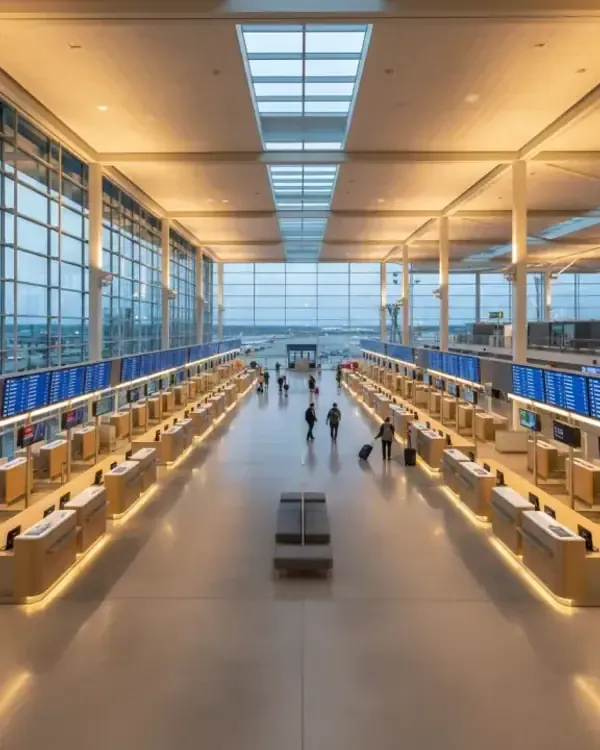
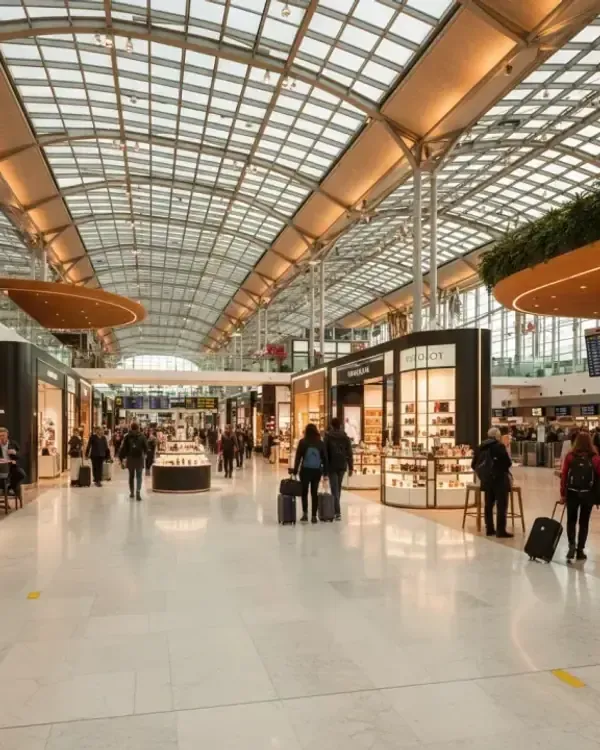
*Images are illustrative and may differ from actual destinations. Safety rankings referenced are based on publicly available indexes including the Solo Travel Safety Index 2026 and Squaremouth risk assessments. Always check your government's travel advisories before booking.
Best Countries for a First Solo Trip
Portugal
Portugal keeps showing up at the top of every solo travel recommendation for good reason. Lisbon and Porto are compact, walkable cities with excellent public transit. The food is affordable and phenomenal. The locals are genuinely warm without being overbearing. Hostels in Lisbon are some of the most social in Europe, with organized dinners, pub crawls, and day trips that make meeting people effortless. A full day in Lisbon including food, transit, and one activity runs about 40 to 60 euros.
Estonia
Estonia was recently named the safest European destination for solo travelers, including solo female travelers. Tallinn's medieval old town is gorgeous and compact. The country has some of the best digital infrastructure in Europe, which means free public Wi-Fi practically everywhere, cashless payments at even the smallest shops, and an overall feeling of modernity mixed with history. Crime rates are among the lowest in the EU. Budget about 50 to 70 euros per day.
Iceland
Iceland is the global gold standard for safety. Violent crime is essentially nonexistent, and the country consistently ranks highest for gender equality. The downside is cost: Iceland is expensive. Budget at least 100 to 150 euros per day, and that is with careful spending. The landscape, though, is unlike anything else in Europe. If you can afford it, a solo road trip around the Ring Road is one of the best travel experiences on the planet.
Spain
Spain has the perfect combination of affordability, safety, culture, and social infrastructure for solo travelers. Barcelona and Madrid have endless things to do, and the dining culture (tapas bars where you sit at the counter) is naturally solo-friendly. Seville and Granada offer a slower pace. The country's late dining schedule (dinner at 9 or 10 PM) means cities feel alive and safe well into the evening. Budget 50 to 80 euros per day depending on the city.
Getting Around: Trains vs Flights
Europe's rail network is one of the biggest advantages for solo travelers. Trains connect major cities reliably, the stations are central (unlike airports), and you do not deal with baggage fees or security lines. For routes under five hours, a train is almost always better than flying when you factor in airport transit time on both ends.
For longer distances, budget airlines like Ryanair, EasyJet, and Wizz Air connect European cities for sometimes absurdly low fares if you book early and travel with carry-on only. A one-way flight from Lisbon to Budapest can cost 25 to 40 euros. Just watch the baggage fees, which is where budget airlines make their money.
Rail passes like Eurail can make sense for multi-country trips, but do the math first. Point-to-point tickets booked in advance are sometimes cheaper than the pass. The Eurail app makes planning easy either way.
Where to Stay
Hostels are the default for solo travelers in Europe, and the quality has improved dramatically in the past decade. Modern European hostels often have private rooms, co-working spaces, rooftop bars, and organized social events. They are the easiest way to meet other travelers. Expect to pay 15 to 35 euros per night for a dorm bed in most Western European cities, and 8 to 20 euros in Eastern Europe.
If you prefer privacy, look at budget hotels or Airbnb private rooms. In cities like Prague, Budapest, and Krakow, a clean private room runs 30 to 50 euros per night. In more expensive cities like Paris, Amsterdam, or Zurich, budget 60 to 100 euros.
Getting to and from the airport. Car hire compared across suppliers with desks at the airport itself, so collection is in or beside the terminal rather than a shuttle ride away. Worth pricing when the onward leg is a drive rather than another flight.
We earn a commission if you book through a paid link, at no extra cost to you. Advertiser disclosure
Safety: What Actually Matters
Violent crime against tourists in Europe is rare. The real risks are pickpocketing (especially in Barcelona, Rome, Paris, and Prague), petty scams (fake petitions, rigged taxi meters, "friendship bracelets"), and the occasional overcharged restaurant near tourist attractions.
- Use a cross-body bag or money belt in crowded areas and on public transit
- Keep a photocopy of your passport separate from the original
- Share your itinerary with someone back home
- Trust your instincts. If something feels off, leave
- Download offline maps of every city before you arrive
- Learn basic phrases in the local language. Even "hello" and "thank you" change how people treat you
The Lounge Advantage for Solo Travelers
Airport lounges are arguably more useful for solo travelers than for anyone else. When you are traveling alone, a layover can feel isolating. A lounge gives you comfortable seating, free food and drinks, Wi-Fi for planning your next move, and sometimes showers after a red-eye. If your credit card includes lounge access, use it. If not, a day pass at a major hub like Frankfurt, Amsterdam, or Madrid can make a long connection much more bearable.
Priority Pass has excellent coverage across European airports, with lounges at nearly every major hub. Check your airport's options before you fly. Browse lounges by airport.
Budget: What It Actually Costs
- Budget tier (hostel dorms, street food, free attractions): 40 to 70 euros per day in Western Europe, 25 to 45 euros in Eastern Europe
- Mid-range (private rooms, restaurant meals, paid museums): 80 to 130 euros per day in Western Europe, 50 to 80 euros in Eastern Europe
- Flights from North America: Round-trip to major European cities ranges from $400 to $800 depending on season and how far ahead you book. See our guide on when to book
A two-week solo trip through Portugal, Spain, and southern France is entirely doable for $2,000 to $3,000 including flights if you plan smart and travel during shoulder season (April through May or September through October).
What Nobody Tells You
Solo travel has lonely moments. There will be an evening when everyone around you is in pairs or groups and you are eating dinner alone wondering why you did this. That feeling passes. The next morning you will meet someone at breakfast, discover a hidden neighborhood, or stumble into something incredible that only happened because you were free to wander.
The other thing nobody mentions: you get better at it. Your second solo trip is easier than your first. By the third, you are navigating foreign transit systems, ordering food in broken local languages, and genuinely enjoying your own company. That confidence travels home with you.
Information is reviewed periodically. Prices, visa requirements, and safety conditions change. Always check your government's travel advisories and verify entry requirements before booking.
Planning this trip?
A few things travellers usually sort out next. These are paid links.
World Nomads
Cover for delays, medical costs, and cancellations.
Flexible travel insurance designed by travelers, covering 150+ adventure activities. Buy, extend, or claim online even after you have left home.
We receive a fee when you get a quote from World Nomads using this link. We do not represent World Nomads. This is not a recommendation to buy travel insurance.
Paid link
Get a quoteon World Nomads' website
We earn a commission if you book through a paid link, at no extra cost to you. Advertiser disclosure
Frequently asked questions
- Is Europe safe for solo travelers?
- Europe is widely regarded as one of the safest regions for solo travel, with reliable public transport and low rates of violent crime in most tourist areas. The main everyday risk is petty theft such as pickpocketing in crowded spots, so keep valuables secure and stay aware.
- Do I need ETIAS to travel around Europe?
- ETIAS is a pre-travel authorisation for visa-exempt visitors to most European countries and is expected to begin later in 2026. It is not a visa. Once live, eligible travelers apply online before departure. Check the official EU travel site for the current start date and rules.
- How do I get around Europe on my own?
- Trains connect most major cities efficiently, and the Schengen zone lets you cross many borders without checks. Budget airlines cover longer hops cheaply, and city public transport is generally easy to navigate. Booking rail tickets in advance usually brings the lowest fares.
Sources
Factual claims in this article are sourced from the operator, airline, or airport authority pages below. AirportLounge.com does not republish copyrighted content from these sources; we link to them so readers can verify.
- [1]
- [2]
About the author
Amara Okafor
Travel Desk
Amara Okafor covers airport lounge access, regional travel guides, and value-focused itineraries for AirportLounge.com. Articles under this byline focus on South America, Southeast Asia, and Europe, with an emphasis on how travelers from emerging markets can stretch a travel budget across long-haul routes.
View all articles by Amara Okafor →
Author names on AirportLounge.com are pen names used by Inspecto Inc.’s editorial team and do not represent real individuals. Articles are fact-checked against official sources. See our Editorial Policy.