The Premium Travel Boom Is Reshaping Airport Lounges - Here Is What It Means for You
Quick answer
Airlines are adding premium seats faster than ever, biometric boarding is replacing paper passes, and lounge crowding has become travelers' loudest complaint. For you, that means access alone no longer guarantees comfort, so timing your visit and choosing less crowded lounges matter more in 2026.
The airline industry in 2026 is experiencing a K-shaped split where premium cabins are fuller and more profitable than ever while economy travelers face rising fares and shrinking perks, and airport lounges are caught directly in the middle. Record-level demand for business and first class travel is driving both the lounge construction boom and the guest restriction policies that have frustrated travelers this year.
Something shifted in travel this year and you can feel it at the airport. The security line is longer but moves faster because of biometric gates. The food court is nicer because airports learned that premium dining attracts premium spending. And the lounge you used to walk into without a wait now has a 20-minute queue at the door.
These changes are not random. They are the result of specific industry forces that are reshaping how airports and airlines operate. Understanding them helps you navigate the current landscape and make smarter decisions about your travel strategy.
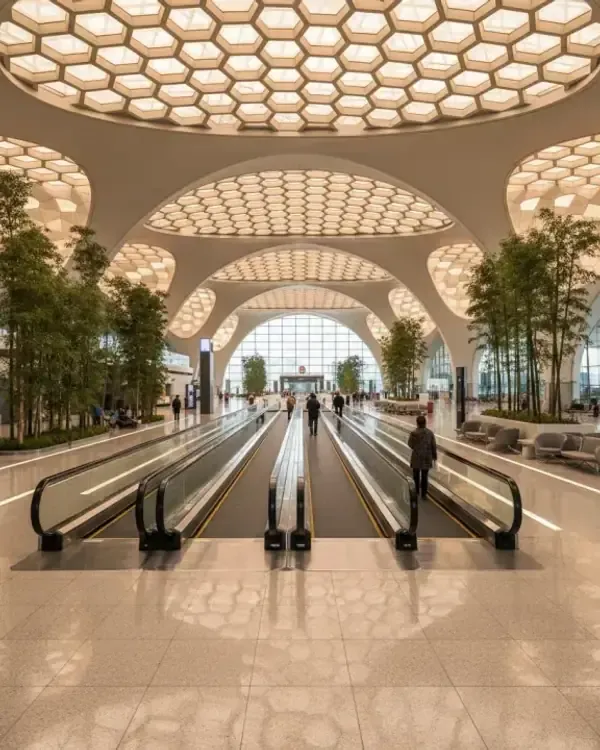
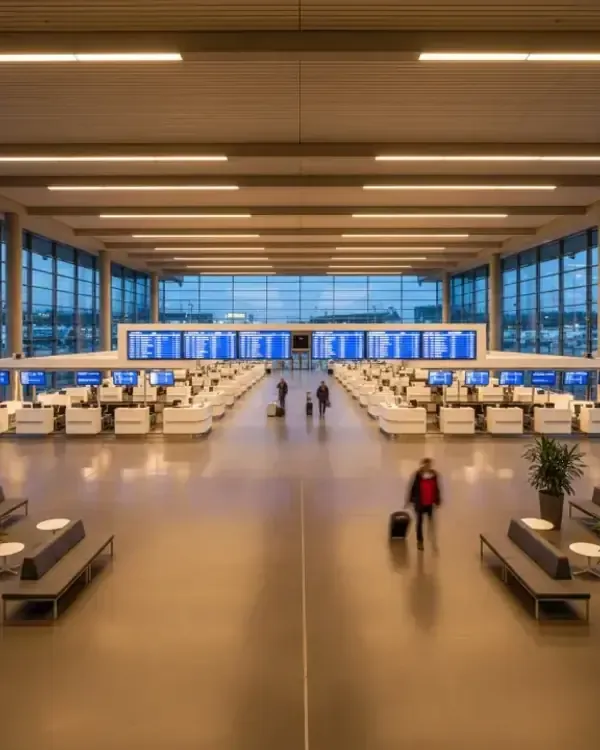
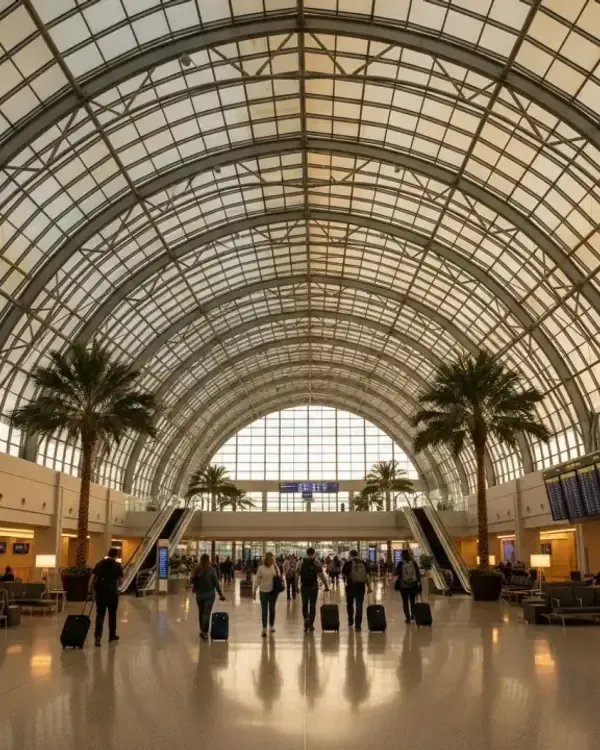
*Images are illustrative and may differ from actual airports. Industry data referenced is based on publicly available reports from IATA, OAG, and airline press releases as of March 2026.
The Premium Cabin Surge
Airlines globally are adding more premium seats than at any point in the past two decades. Delta, United, and American are all expanding their business class and first class configurations, adding lie-flat seats on domestic routes that never had them, and launching new premium products on international routes.
The economics are straightforward: a single business class seat can generate three to five times the revenue of an economy seat on the same route. Post-pandemic, corporate travel budgets shifted toward fewer trips but higher-quality experiences, and leisure travelers discovered that a premium cabin makes a meaningful difference on long flights. The result is sustained demand that shows no signs of weakening.
For lounges, this means more travelers arriving with premium cabin tickets and expecting a premium ground experience to match. Airlines that invest in their onboard product without upgrading their lounges create a disconnect that frequent travelers notice immediately.
New Routes Opening Doors
Several route launches in 2026 are creating new demand for lounge access at airports that did not previously see heavy premium traffic. Alaska Airlines is making its European debut with flights from Seattle to Rome, Reykjavik, and London. Air Canada is launching service to six European destinations with the new Airbus A321XLR, including Berlin, Dublin, Edinburgh, and Porto.
When a new long-haul route launches at an airport, it brings premium passengers who need somewhere to spend three hours before a transatlantic flight. That drives lounge utilization and, eventually, lounge construction. The new Alaska routes through Seattle, for example, will increase pressure on the existing lounge infrastructure at Sea-Tac, which is already one of the more crowded airports on the West Coast. See Seattle airport lounges.
Biometric Gates and the Disappearing Paper Pass
By early 2026, facial recognition has moved from pilot programs to embedded infrastructure at major airports globally. Biometric identity verification is now used for check-in, bag drop, security screening, and in some cases, lounge access. The idea is simple: you walk through the airport and your face is your boarding pass.
For lounge access specifically, some lounges have started testing biometric entry where your face links to your membership or credit card benefit, and you walk in without showing a physical card or QR code. This is still early-stage in North America, but it is live at several international locations and is expected to expand.
The practical implication: lounge entry may become faster and more seamless, which could reduce the bottleneck at lounge reception desks that contributes to the feeling of overcrowding during peak hours.
The Crowding Problem and How It Is Being Addressed
Lounge crowding remains the single most common complaint among premium travelers in 2026. The root cause is simple math: credit card companies have issued tens of millions of cards with lounge access while the physical lounge space has not kept pace.
The industry response has been two-pronged. First, restrict access - Capital One's $75,000 spending requirement for guest access, Chase limiting guests to two per visit, and Amex tightening Centurion Lounge entry during peak hours. Second, build more lounges - the wave of new Centurion, Sapphire, and Capital One lounges opening in 2026 is the supply-side answer to demand that has outgrown existing spaces.
For travelers, the practical advice is to plan around peak hours. Early morning and late evening tend to be less crowded at most lounges. Mid-day at hub airports, when connecting banks overlap, is the worst time. If your card gives you access to multiple lounges at the same airport, check the less popular option first.
What IATA's Numbers Tell Us
The International Air Transport Association projects passenger traffic will rise 4.9% in 2026, continuing the post-pandemic recovery. More significantly, IATA's long-range forecast suggests air travel demand will more than double by 2050. That means the infrastructure pressures we see today (security lines, gate crowding, lounge capacity) are not temporary. They are the beginning of a structural shift that airports and airlines will be managing for decades.
For lounge travelers specifically, this means the arms race between card issuers to build and operate premium spaces is not a short-term marketing play. It is a long-term infrastructure investment driven by genuine, sustained demand. The lounges being built today are designed for a travel market that will be twice as large within a generation.
Your Strategy for 2026
Given everything happening in the industry, here is how to position yourself:
- Review your card's lounge policy: Guest restrictions have changed at Capital One, Chase, and several airline lounges. Do not assume the rules from last year still apply. Read our full 2026 shakeup breakdown.
- Know which lounges are at your airport: With new openings throughout 2026, your home airport may have options you did not have six months ago. Browse lounges by airport.
- Arrive early: This sounds obvious, but with biometric boarding accelerating the gate process, the lounge is becoming a bigger part of the airport experience. An extra 30 minutes in the lounge is more enjoyable than 30 minutes at the gate.
- Consider a second card: If your primary card gives you Centurion access but the airport you fly most has a Capital One Lounge, a second card might open a door that is less crowded. Compare all lounge-access cards.
The premium travel boom is real, and it is not slowing down. The travelers who stay informed about which lounges are opening, which policies are changing, and which cards provide the best access will continue to have the best experience on the ground.
Information is reviewed periodically. Industry projections and airline announcements referenced are based on publicly available reports as of March 2026. Travel policies and lounge availability change frequently. Verify details before traveling.
Frequently asked questions
- Why are airport lounges so crowded in 2026?
- Demand for premium travel has grown quickly, and more travelers now hold cards or fares that grant lounge access. With membership outpacing physical space in many locations, peak-hour crowding has become the most common complaint among regular lounge users.
- Is lounge access still worth it if lounges are crowded?
- For many travelers, yes, but the value now depends on timing and choice. Visiting outside peak departure waves, picking larger or newer lounges, and checking capacity where possible all help you get the quiet and seating that make access worthwhile.
- What is biometric boarding and how does it affect lounges?
- Biometric boarding uses facial recognition instead of paper or phone passes to verify identity at the gate. It speeds up boarding and is spreading across airports, part of the broader move toward faster, more digital premium travel experiences.
Sources
Factual claims in this article are sourced from the operator, airline, or airport authority pages below. AirportLounge.com does not republish copyrighted content from these sources; we link to them so readers can verify.
- [1]
- [2]Airport lounge - WikipediaAccessed