Europe on a Budget: How to See More and Spend Less in 2026
Quick answer
You can travel Europe comfortably on roughly 50 to 80 dollars per day by visiting in shoulder season (April to May or September to October), choosing affordable countries like Portugal, Poland, or the Baltics, and mixing budget airlines with trains. Prices vary dramatically between regions, so country choice matters most.
You can travel through Europe comfortably on $50-80 per day if you time your trip for shoulder season (April-May or September-October), choose affordable countries like Portugal, Poland, or the Baltics, and use budget airlines and trains strategically. Europe is enormous and varied, and the mistake most people make is treating it as one expensive destination when the price difference between countries is dramatic.
There are two ways to do Europe: the wide-eyed first trip with central Paris hotels and restaurant meals every night, and the smarter trip that covers twice as much ground for half the money. The second approach is honestly more enjoyable, not just cheaper. Budget travel in Europe pushes you toward local neighborhoods, regional trains, and small family-run guesthouses that feel more authentic than any tourist-district hotel.
Here is what works for doing Europe affordably in 2026.
Timing Is the Single Biggest Lever
Shoulder season travel (April through May, and September through October) can cut your costs by 30-50% compared to peak summer months. That is not a small adjustment. It is the difference between a $3,000 trip and a $5,000 trip covering the same ground.
The advantages go beyond price. Shoulder season means shorter lines at major attractions, more availability at popular restaurants, and weather that is often better for walking around cities than the sweltering heat of July and August. Compare Rome in August with Rome in late September, and September wins in every way except swimming weather.
- April-May: Spring weather across southern and central Europe. Greece and Portugal are warm but not hot. Northern Europe is unpredictable but less crowded. Flights from the US drop significantly after Easter.
- September-October: The Mediterranean is still warm through October. Eastern Europe is beautiful in early fall. Prices plummet after Labor Day for US-origin flights. For many travelers this is the best overall window for Europe.
The Cheapest Countries in Europe Right Now
Europe's affordability varies wildly by country. A daily budget that barely covers a hotel room in Switzerland will fund an entire day of food, transport, accommodation, and activities in Albania. Here are the best-value destinations in 2026:
Exceptional Value ($30-50/day Budget Possible)
- Albania: The current darling of budget travelers. Beautiful beaches, mountain villages, incredibly friendly locals, and prices that feel like a time machine. Budget travelers report spending $35-55 per day including accommodation.
- Romania: Transylvania is gorgeous and dramatically underpriced. Bucharest and Cluj-Napoca have vibrant food scenes. Budget of $30-40 per day for backpackers is entirely doable.
- Bulgaria: Sofia, Plovdiv, and the Black Sea coast offer genuine charm at Eastern European prices. Great hiking in the Rila and Pirin mountains.
Great Value ($50-75/day Budget)
- Portugal: Lisbon and Porto have gotten pricier but are still far cheaper than Paris or London. The Algarve coast is stunning. Daily budget around $55-75.
- Poland: Krakow, Warsaw, Gdansk, and Wroclaw are all excellent. Food is affordable, public transport is cheap, and the beer costs less than water in some Western European cities. Budget of $40-75 per day.
- Hungary: Budapest alone is worth the trip for its thermal baths, ruin bars, and Danube views. Daily budget $35-65.
- Baltic States (Lithuania, Latvia, Estonia): Vilnius, Riga, and Tallinn are compact, walkable, and roughly a third the cost of Scandinavian cities. Excellent food scenes that fly under the radar.
- Greece: Skip Santorini and Mykonos if you are on a budget. The mainland and less-famous islands (Naxos, Milos, Crete) offer incredible value, especially in shoulder season.
Getting Around: Flights vs Trains
Budget Airlines
Europe's budget airline network is extensive and genuinely cheap if you know the rules. Ryanair, EasyJet, and Wizz Air regularly sell routes for $20-50 one way. The catch: baggage fees, seat selection fees, and boarding passes can double the ticket price if you are not careful.
- Pack in a personal item only (40x20x25cm for Ryanair) to avoid bag fees entirely
- Check in online and save your boarding pass, since paper boarding passes at the gate incur fees on some carriers
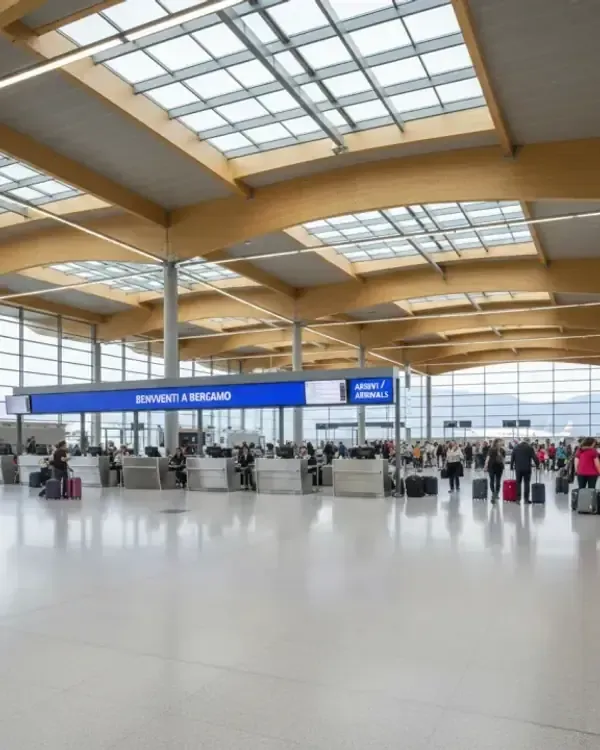
- Be flexible on airports. Budget carriers often fly into secondary airports (Beauvais instead of CDG for Paris, Bergamo instead of Malpensa for Milan)
- Book early for the best prices, but also check last-minute sales
Trains
Rail passes (like Eurail) can be worthwhile for multi-country trips, but do the math before committing. Point-to-point tickets booked in advance are often cheaper than a pass for shorter itineraries. Second-class trains in Europe are perfectly comfortable and much cheaper than first class.
Regional trains (as opposed to high-speed options) are dramatically cheaper. A regional train from Rome to Naples might be $10-15 compared to $40+ for the high-speed Frecciarossa. It takes longer, but the savings add up across a multi-week trip.
Where to Sleep Without Going Broke
- Hostels: Still the budget king. Private rooms in hostels cost $30-50 in most European cities and include social common areas, kitchens, and often breakfast. Dorm beds run $15-30.
- Airbnb apartments: Best value for couples or groups. A one-bedroom in Lisbon, Budapest, or Krakow runs $40-60/night in shoulder season. Cooking your own breakfast and the occasional dinner saves enormously.
- Guesthouses and pensions: Family-run accommodations in Eastern and Southern Europe often include breakfast and local tips. They are harder to find online but worth seeking out.
- House-sitting: Platforms like TrustedHousesitters offer free accommodation in exchange for caring for someone's pet. Popular in the UK, France, and Spain.
Getting to and from the airport. Car hire compared across suppliers with desks at the airport itself, so collection is in or beside the terminal rather than a shuttle ride away. Worth pricing when the onward leg is a drive rather than another flight.
We earn a commission if you book through a paid link, at no extra cost to you. Advertiser disclosure
Eating Well for Less
Food is one of the great joys of European travel, and eating well does not require expensive restaurants. Some strategies that consistently work:
- Markets and grocery stores: A fresh baguette, cheese, and fruit from a French market costs $5-8 and makes a better lunch than most sit-down tourist restaurants.
- Lunch specials: Many European restaurants offer a set lunch menu (menu del dia in Spain, prix fixe in France) that is 30-50% cheaper than dinner. Eat your big meal at lunch.
- Street food: Doner kebabs in Berlin ($5-7), pastel de nata in Lisbon ($1-2), pizza al taglio in Rome ($3-5). Some of the best food in Europe is the cheapest.
- Cook when you can: If you have a kitchen in your accommodation, cook breakfast and dinner. Eat out for lunch when restaurant deals are best.
Free and Nearly Free Activities
Europe is packed with world-class experiences that cost nothing:
- Free walking tours: Available in virtually every European city. Tip-based, so you pay what you think it was worth ($10-15 is standard).
- Museum free days: Many major museums offer free entry on certain days. The Louvre is free on the first Sunday of each month (October-March). The British Museum and National Gallery in London are always free.
- City passes: In cities where you plan to visit multiple paid attractions, city passes (like the Roma Pass or Paris Museum Pass) often save 30-40% versus individual tickets.
- Parks and public spaces: From Barcelona's Montjuic to Prague's Petrin Hill to Athens' Filopappou Hill, European cities have incredible free viewpoints and green spaces.
- Churches and cathedrals: Most are free to enter and architecturally stunning.
Using Credit Card Benefits to Offset Costs
A travel credit card with no foreign transaction fees is essential for Europe. Beyond that, several cards offer benefits that directly reduce your costs:
- Lounge access: Priority Pass works at hundreds of European airport lounges. Free food and drinks during layovers mean you skip the overpriced airport terminal. Check our airport pages to see which lounges are available at your airports.
- Travel credits: Cards like the Capital One Venture X ($300 annual credit) and Chase Sapphire Reserve ($300 annual credit) effectively reduce your flight costs.
- Points for flights: If you have been accumulating points, a trip to Europe in shoulder season is one of the best uses because award availability is much better than peak summer.
For card comparisons and which ones give you the best lounge access in Europe, check our credit card guide.
A Realistic Sample Budget: 2 Weeks in Eastern Europe
Here is what a two-week trip through Budapest, Krakow, and Prague might actually cost in shoulder season for a mid-range budget traveler:
- Round-trip flight from the US: $500-700 (shoulder season pricing)
- Accommodation (14 nights, mix of hostels and Airbnb): $420-630 ($30-45/night)
- Food: $350-490 ($25-35/day mixing self-catering and restaurants)
- Transport between cities (trains/buses): $60-100
- Local transport: $50-70
- Activities and entrance fees: $80-120
- Total: $1,460-2,110
That is a genuine, comfortable two weeks in three fascinating cities for under $2,000 on the budget end. Try doing that in Western Europe in July. It is possible, but it takes more effort and compromises.
The bottom line: Europe is not inherently expensive. It is a continent with enormous price range. Choosing the right countries, timing your trip for shoulder season, and being strategic about transport and accommodation means you can see more, eat well, and spend dramatically less than the average tourist. The key is planning with intention, not just going where Instagram tells you to go.
*Images are illustrative and may differ from actual locations. Information is reviewed periodically and may change. Prices are approximate and vary by season, location, and currency fluctuations. Always verify current pricing before travel.
Planning this trip?
A few things travellers usually sort out next. These are paid links.
World Nomads
Cover for delays, medical costs, and cancellations.
Flexible travel insurance designed by travelers, covering 150+ adventure activities. Buy, extend, or claim online even after you have left home.
We receive a fee when you get a quote from World Nomads using this link. We do not represent World Nomads. This is not a recommendation to buy travel insurance.
Paid link
Get a quoteon World Nomads' website
We earn a commission if you book through a paid link, at no extra cost to you. Advertiser disclosure
Frequently asked questions
- How much do I need per day to travel Europe on a budget?
- Around 50 to 80 dollars per day is realistic in more affordable countries if you stay in hostels or budget guesthouses, eat some meals from markets or supermarkets, and use public transport. Western capitals like Paris or London push that figure higher, so balance pricier cities with cheaper ones.
- Which European countries are cheapest to visit?
- Portugal, Poland, Hungary, and the Baltic states (Estonia, Latvia, Lithuania) typically offer the best value, with lower costs for food, lodging, and transport than Western Europe. Much of Central and Eastern Europe stretches a budget further than the major Western capitals.
- When is the cheapest time to travel in Europe?
- Shoulder season, roughly April to May and September to October, usually offers the best mix of lower prices, mild weather, and thinner crowds. Peak summer is the most expensive, while winter can be very cheap outside ski areas and major Christmas-market cities.
Sources
Factual claims in this article are sourced from the operator, airline, or airport authority pages below. AirportLounge.com does not republish copyrighted content from these sources; we link to them so readers can verify.
- [1]
- [2]
About the author
Amara Okafor
Travel Desk
Amara Okafor covers airport lounge access, regional travel guides, and value-focused itineraries for AirportLounge.com. Articles under this byline focus on South America, Southeast Asia, and Europe, with an emphasis on how travelers from emerging markets can stretch a travel budget across long-haul routes.
View all articles by Amara Okafor →
Author names on AirportLounge.com are pen names used by Inspecto Inc.’s editorial team and do not represent real individuals. Articles are fact-checked against official sources. See our Editorial Policy.